
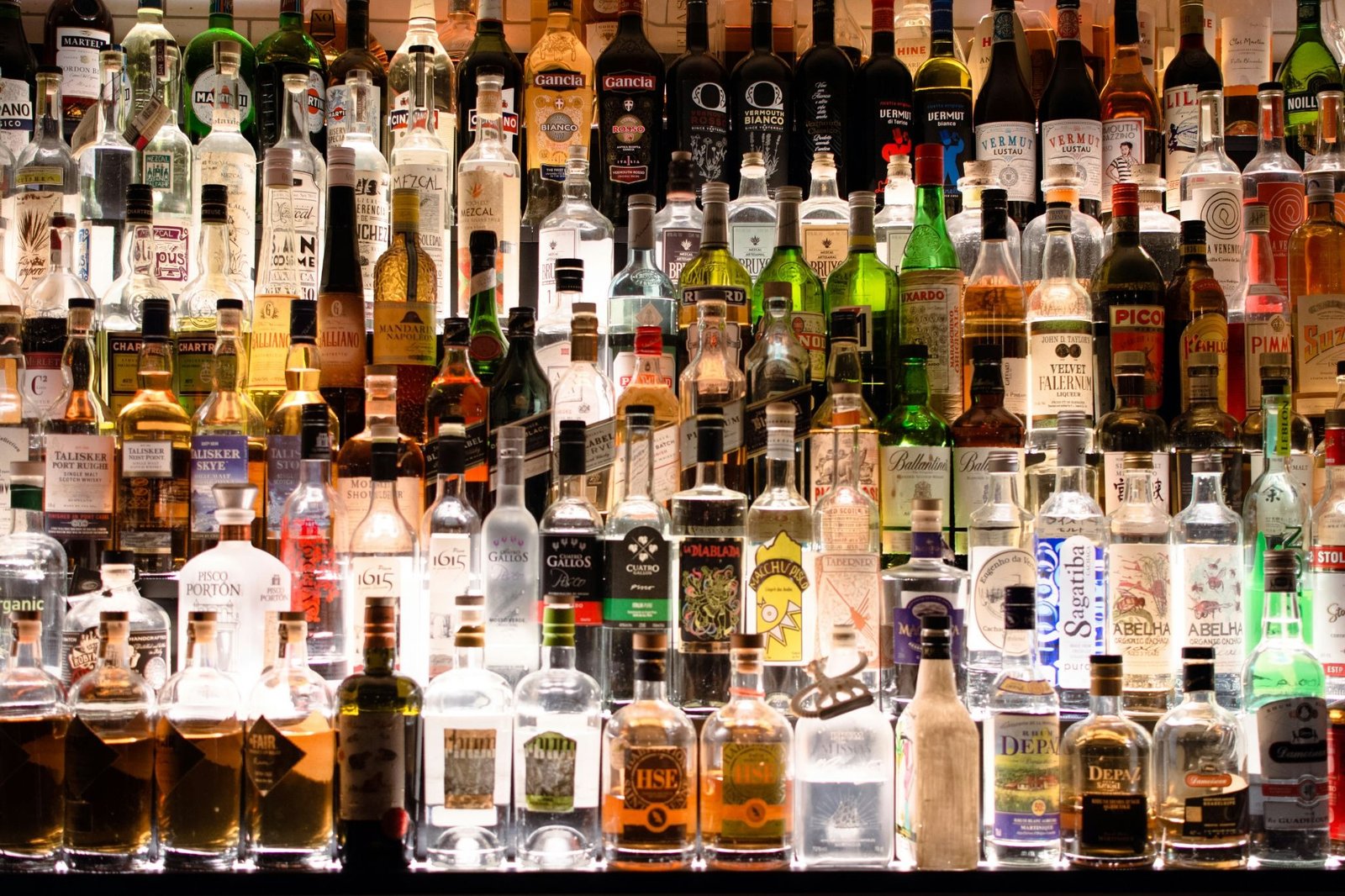
A single store shelf can hold different beers, whiskeys, and vodkas, though the cost behind each product follows a different production logic. Ingredients, alcohol strength, aging time, packaging, taxes, brand position, and distribution all affect what a customer pays.
A casual buyer may compare drinks the same way they compare entertainment options, and a live casino app can offer a quick digital break between product research and weekend planning.
Production Costs Behind the Price
The base cost of alcohol begins long before a bottle or can reaches a retailer. Beer is brewed and sold in larger volumes; vodka is distilled for neutrality; and whiskey often needs long storage before sale.
Beer Production
Beer is usually made from water, malted grain, hops, and yeast. It is fermented rather than distilled, which means its alcohol level is generally lower than spirits and its production cycle can be much shorter. Many beers can be brewed, conditioned, packaged, and shipped within weeks. This shorter cycle helps keep standard lager, ale, and mass-market cans relatively affordable.
Beer pricing often depends on practical production and sales factors:
- Grain and hop costs
- Brewing time and tank capacity
- Packaging in cans, bottles, or kegs
- Refrigerated transport and storage
- Local, craft, or imported positioning
Whiskey Production
Whiskey is usually more expensive because it is distilled, aged, and stored for years before it can be sold. Producers must pay for grain, mashing, fermentation, distillation, barrels, warehouse space, evaporation loss, and long-term inventory holding.
Aging creates major cost pressure. A bottle labeled 12 years old represents capital tied up for over a decade before the producer receives retail revenue. Barrels also matter. New oak, char level, climate, warehouse location, and finishing casks can influence flavor and cost. Premium whiskey prices often reflect scarcity, age statements, brand reputation, and limited releases.
Vodka Production
Vodka is distilled to create a clean, neutral spirit, then filtered, diluted with water, and bottled. It usually does not need years of barrel aging, so producers can bring it to market faster than whiskey.
Base ingredients can include grain, potatoes, corn, sugar beets, or other fermentable materials. In many cases, the final price depends less on aging and more on distillation claims, filtration, bottle design, purity messaging, and brand image.
Vodka can be very cheap at entry level because the production cycle is efficient. Premium labels may still charge more through packaging, smoothness claims, origin stories, and marketing spend.
Market Factors That Change Shelf Prices
Taxes, alcohol strength, shipping weight, brand strategy, venue markup, and package size can make one drink look more expensive than another.
Alcohol Content and Serving Size
Beer is usually sold in larger liquid volumes with lower alcohol by volume. Vodka and whiskey are sold in smaller bottles but contain much more alcohol per ounce. That difference makes shelf comparison tricky. A six-pack may look cheaper than a bottle of whiskey, but the alcohol content, number of servings, and drinking occasion are not the same.
A fair price comparison should look at serving economics rather than package size alone:
- Cost per standard drink
- Alcohol by volume
- Number of servings per container
- Usual serving size
- Intended use, such as sipping or mixing
Branding and Retail Markup
Branding can create large gaps between products with similar base ingredients. A mass-market vodka may be priced for volume, while a luxury bottle may rely on design, celebrity association, or imported status.
Retail and venue markup also changes the final amount paid. A bottle from a store, a draft beer at a bar, and a whiskey pour in a restaurant reflect different labor, rent, glassware, service, and inventory costs.
Premium pricing usually reflects several commercial signals:
- Recognized brand name
- Limited release status
- Imported origin
- Higher-end packaging
These signals do not always mean better taste for every buyer. Personal preference, cocktail use, and budget often matter more than label prestige.
Smarter Way to Compare Value
Beer usually stays cheaper for casual volume drinking because it is lower in alcohol and faster to produce. Vodka often offers efficient serving value because it does not require long aging, while whiskey can become costly due to barrels, storage time, scarcity, and reputation.
The best choice depends on how the drink will be used. Beer fits social and casual settings, vodka works well for mixed drinks, and whiskey often appeals to buyers who value flavor depth and sipping experience.